Silver Jewellery: A Complete Guide to Styles, Purity and Buying Tips

Silver jewellery remains one of the most popular choices for everyday wear and special occasions. This comprehensive guide explores different silver jewellery styles, purity standards, hallmark certifications, maintenance tips, and essential buying considerations. Whether you're purchasing your first silver piece or expanding your collection, this guide will help you make an informed and confident choice.
Guide for Heritage Collectors, Before Choosing a Silver Article That Lasts Forever
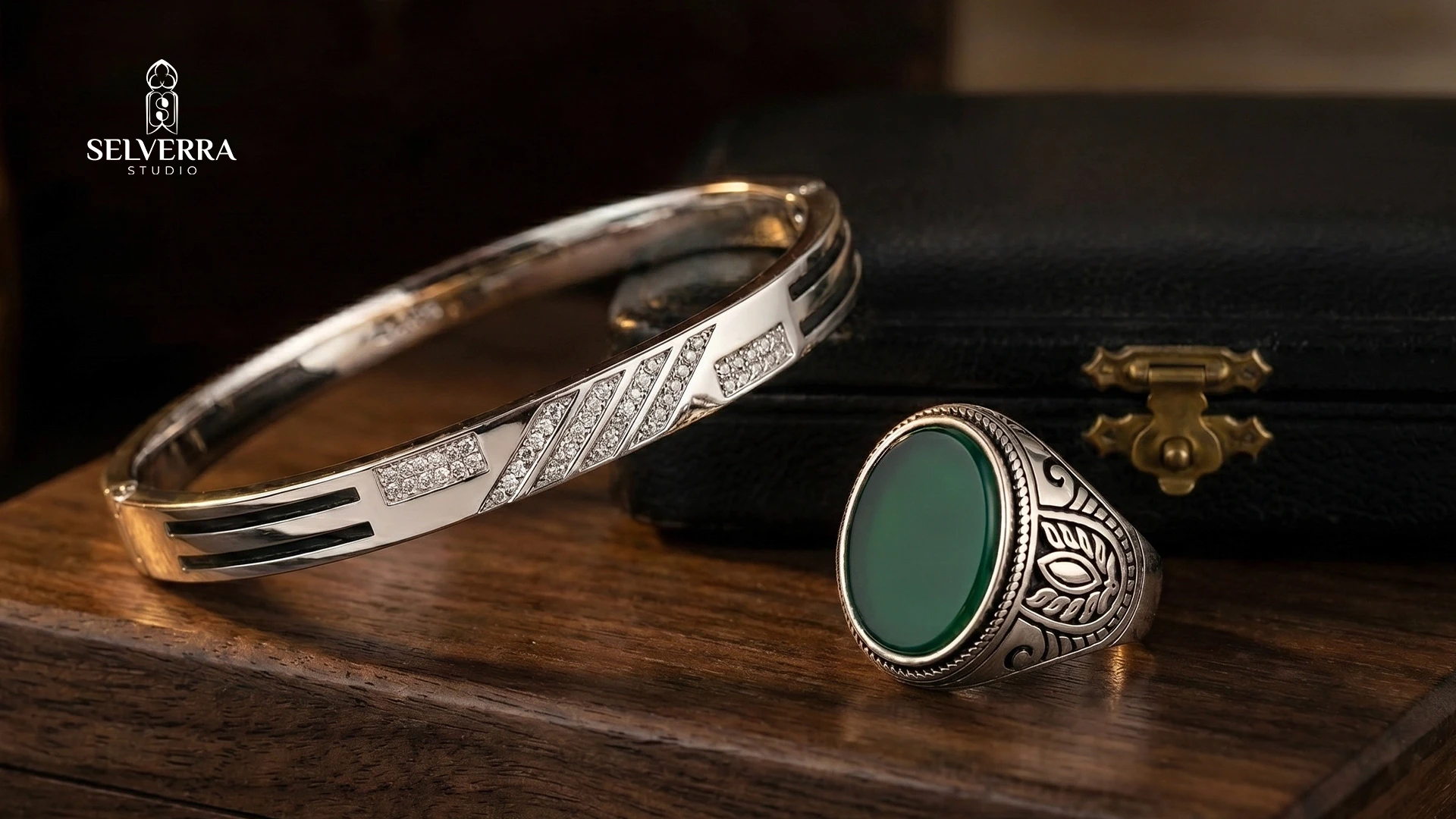
In most cultures and societies there exists a repeated image of a lost, traditional wooden box from the past that holds silver treasures. From grandmother's bracelet to a beautifully crafted necklace made of fine silver, it represents the journey of man through time. A grandmother's tea set. A pendant that has no particular fame, yet somehow holds more gravity than anything newly minted. That is the particular intelligence of silver, it does not announce itself. It endures.
Long before diamonds were romanticised and gold was traded, silver moved quietly through the arteries of civilisation. The Phoenicians mined it in Spain. The Incas shaped it into ceremonial vessels. Medieval European households weighed their status not in acreage alone, but in the volume of silver displayed on the dining table. To own silver was to own continuity, a material memory of who you were and what you intended to pass forward.
Today, that instinct is returning. Not as nostalgia, but as a considered rejection of the disposable.
Understanding What Silver Jewellery Actually Is
Not all silver is equal, and that distinction matters more than most buyers realise when searching for online silver jewellery. Pure silver of 99.9% purity is too soft and holds its form. After years of working with silver, craftsmen have discovered a combination of 92.5% silver and 7.5% copper or any other metals. Which is strong enough to carry weight, details, and enough to carry the heritage stories within.
A hallmark of 925 is not a "technical" detail but instead it is an excellent representation of centuries' worth of history between the creator and the user. It represents the integrity of the piece itself. The silver that makes up the modern day piece of 925 silver jewelry is silver that has been worn by kings and queens, transferred between royal families and has been held in the hands of people who are no longer living. This history of silver is reflected in the continuing nature of this ongoing discussion.
Materials such as pure silver jewellery made of 999 purity, which is traditionally used to create ceremonial pieces or items that can be displayed but not worn daily will always find a place in our society for example: the production of precious metal unique to one person, etc.
The Architecture of Silver: Styles Worth Knowing
Silver jewellery is not a category. It is a landscape. Filigree work, those delicate, thread-like constructions born in ancient Egypt and carried through Arab, Indian, and European traditions, is perhaps the most labour-intensive expression of the craft. A single pair of filigree earrings may represent forty hours of a silversmith's attention.
Next on the list is repousse, a process of using a hammer to create raised shapes by hitting the back side of the silver. This style was popularized by Greek jewelers hundreds of years ago and has since been revived by artisans working in the Arts & Crafts Movement. Repousse artists can often be found in workshops that avoid using castings because they prefer to use hammers to create their art. Unlike smooth polished silver, oxidized silver products have a dark, antique-looking finish and has become a way to express individuality for people who do not prefer to wear plain polished items.
The silver jewellery for women collection is made up of many styles such as architectural cuffs, sculptural rings and necklaces with either one stone or one story. On the silver jewellery for men, the conversation has evolved beyond silver accessories being fashion trends; they now include heavy signet rings, more understated bracelets and collar chains that are worn intentionally instead of in response to trends.
The Question of Purity: How to Know What You Are Holding
Checking silver jewellery purity is, at its core, a matter of trust, but trust with tools. The acid test remains reliable: a small surface scratch exposed to nitric acid will reveal, through colour change, whether the silver content is genuine. Hallmarks are your first line of reading: 925, Sterling, and Ster are the most common internationally recognised marks. A jeweller's loupe and UV light can further verify the depth and authenticity of a stamp.
The most common mistake when buying silver jewellery, whether from a silver jewellery store or browsing best silver jewellery online, is prioritising price over provenance. Silver-plated pieces wear away. Silver-filled pieces are better, but still not the same as solid 925 silver jewellery online, where the material runs through the entire piece, not merely its surface.
Silver for Weddings, Gifting, and the Rituals That Shape Us
Choosing silver as a wedding gift or as a ceremonial gift in cultures where gold is more common is an act of quiet rebellion. The weight of silver is somewhat different from that of gold; it is more contemplative and less declarative than gold. In many South Asian societies, silver was historically viewed as being sacred to the moon, sacred to water, and representative of feminine energy. In Georgian England, christening gifts were given in the form of silver jewellery sets to symbolize the child's place in a family lineage.
A silver jewellery set, a necklace and earring pairing, or a cuff with its matching ring, given at a wedding is not a gift. It is an inheritance begun.
Caring for What You Intend to Keep
Silver tarnishes. The silver finish is not defective, but a record of the passage of time for that piece. A soft chamois cloth or a gentle soak in warm water and mild dish soap will be enough to keep your silver looking good most of the time. Silver tarnishing bags significantly slow down the tarnishing process. Keep your silver away from chlorine; apply perfume to your skin, not to the silver; and avoid exposing silver to long periods of excessive humidity without air circulation.
The silversmith's rule of thumb has always been simple: wear it often. Silver kept in circulation, against skin, in the air, in use, tarnishes less, and ages more gracefully, than silver kept in darkness waiting for a special occasion that never quite arrives.
Why Silver Is Finding Its Moment Again
The renewed attention to silver jewellery is not a trend. The cycle of change will continue to occur. With consumers becoming more knowledgeable about what they choose to bring into their homes and to leave behind for future generations, silver’s longevity; its ability to withstand the test time; and the fact that it can be reused in place of being disposed of; reflects a stronger demand on behalf of the consumer.
Silver endures through fashion changes due mostly to its capacity to hold onto its past.
Perhaps this is the single most essential factor to consider when selecting a specific item not how pure it is or how much it costs, although these two factors are also important, but rather whether someone will be able to find and experience you by opening a somewhat used box containing an object that seems like it might be a bit worn but has not lost any of its weight.
Continue Reading
Explore more stories from our journal